Mold Prevention After A Hurricane Or Other Natural Disaster
This post may contain affiliate links. Read our full disclosure.

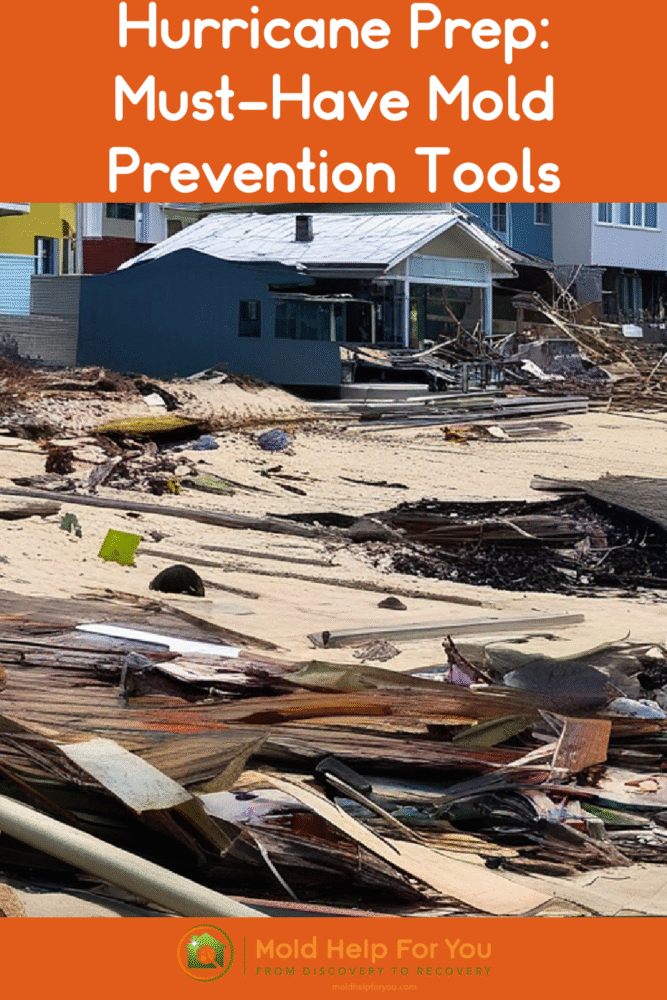
The aftermath of a hurricane presents a critical window for homeowners to avert the serious long-term consequences of mold growth. Mold prevention is paramount, not only to protect the structure of one’s home but also to safeguard the health of its occupants. Exposure to mold can trigger a host of health issues, from allergic reactions to more severe health problems. The damage doesn’t stop at health risks; mold can cause significant property damage, infiltrating walls, ceilings, and floors, undermining both the physical integrity and the value of your home.
Moisture left untreated in the wake of a hurricane creates the perfect breeding ground for mold. Thus, controlling humidity, ensuring proper ventilation, and employing water extraction and drying techniques become critical steps in the battle against mold. These measures, combined with the use of mold-resistant materials in repairs, lay the foundation for a healthy, mold-free environment post-hurricane.
Tools Every Homeowner Should Have For Emergency Situations Like A Hurricane
After Hurricane Helene and Milton in 2024, I assisted a lot of clients with crisis situations. What struck me about each of their situations was just how limited their available tools were. There was NO HELP for these people and if they had any chance of preventing mold, that meant getting all of the wet building materials removed from their home. In 85% of these situations there was no electricity available so no way to bring in dehumidifiers and fans.
Before we get to the rest of the article, I would like to suggest that you strongly consider the following tools to have on hand for just these sorts of situations.
- Multiple flashlights and lots of extra batteries
- Contractor type garbage bags
- Box cutter – you can do a lot with this like cut out wet drywall
- Pry bar or crowbar
- Claw hammer
- Hacksaw
- Screwdriver set or drill (make sure you have backup batteries charged)
- Pliers
- Wrench
- Moisture Meter (to determine where to start cutting out wet drywall and to check the moisture content of wood studs)
- Thermal Imaging Camera (helps to “see” water you can’t easily check for with a moisture meter)
- Air movers (fans, air scrubbers)
- Dehumidifier
- Generator
- Superstratum Building Cleaner and several chlorine dioxide packets
Immediate Steps Post-Hurricane
I STRONGLY suggest that before a hurricane hits, you turn off your power at the circuit breaker. Doing this has saved many lives.
In the wake of a hurricane, rapid response is crucial for preventing mold growth. Prioritize your safety and that of others as you take the first steps towards mold prevention. Begin by assessing the extent of the water damage. Use caution; submerged areas may pose electrical and structural hazards. Next, extract water and initiate structural drying. This may involve the use of pumps, dehumidifiers, and fans to remove moisture efficiently. This may not be an option if you do not have electricity or a generator. Ideally you will use a remediation company but during a natural disaster you may not have that option.
Ensure proper ventilation to control humidity within the premises. Crack open windows and doors if weather conditions allow. Remove soaked items such as carpets, furniture, and bedding, as these materials can harbor mold quickly. Items touched by floodwater need thorough cleaning or disposal.
Document all damage meticulously, capturing photos and detailed notes. This documentation will be invaluable for insurance claims and any needed professional assessments down the line. Act promptly; delay can exacerbate mold issues, compounding water damage, repair costs and health risks.
Professional vs. DIY: Making the Right Choice
Hurricane aftermaths often leave homeowners facing a dilemma: tackle mold prevention tasks themselves or call in professionals. DIY attempts at water extraction and humidity control might seem cost-effective initially. However, without the proper tools or understanding of structural drying and water damage repair processes, these efforts can fall short. For simpler tasks like improving ventilation and employing cleaning protocols, homeowners can play an active role. These steps are crucial in safeguarding indoor air quality and preventing mold growth.
However, when dealing with extensive flood damage, the expertise of professionals in mold remediation and disaster recovery becomes indispensable. They possess specialized equipment for efficient water extraction, structural drying, and mold removal. Furthermore, a professional assessment can identify unseen damage that could pose long-term health risks or compromise the structural integrity of a property. This expertise is also crucial when navigating insurance claims for water and mold damage.
Thus, while homeowners can manage some post-hurricane cleanup efforts, recognizing when to seek professional help is key to effective mold prevention and ensuring the safety and resilience of the property against future climate challenges. Even if you have to take some initial steps while you wait for a remediation company to become available, do still have a professional assessment done.
Drying Out: Techniques and Tools
After a hurricane has passed, the race against time to prevent mold begins. Thorough structural drying becomes a crucial first step in this battle. Buildings soaked by floodwaters present an ideal breeding ground for mold and other nasty bacteria without prompt and effective drying. Water extraction is a pivotal technique, employing powerful vacuums to remove standing water. Professionals also utilize industrial-grade dehumidifiers to tackle the high humidity levels that hurricanes leave behind.
Water damage repair does not stop with extraction. The introduction of high-volume air movers can significantly enhance the drying process by circulating air across wet surfaces. Also known as air scrubbers, these tools, when combined with proper ventilation, dramatically reduce drying times and mitigate the risk of mold. Keeping indoor air quality at safe levels requires continuous monitoring, especially in areas hardest hit by water intrusion.
It’s imperative that the restoration begins as early as safety permits. By harnessing professional assessments and specialized drying equipment, property owners can ensure their spaces are properly dried out. This proactive approach is essential not only for protecting the structural integrity of buildings but also for safeguarding the health of its occupants.
Humidity and Ventilation Control
Controlling indoor air humidity and enhancing ventilation are critical in the aftermath of a hurricane. These steps help to prevent mold proliferation. One immediate action involves the use of dehumidifiers. These devices extract excess moisture from the air, maintaining humidity levels that deter mold growth.
To further ensure a dry environment, integrate fans and air scrubbers. They empower air circulation, reducing dampness in affected areas. Opening windows can also augment airflow, facilitating a quicker drying process. However, it’s essential to do so only when outdoor conditions allow; otherwise, it might introduce more moisture indoors.
Additionally, consider upgrading to mold-resistant building materials during repairs. Such materials resist moisture absorption, offering an added defense against future mold challenges. Consistently monitoring and maintaining indoor air quality post-disaster will significantly diminish the risks associated with mold. Remember, swift and thorough action in water extraction, structural drying, and implementing climate resilience measures fortify a home’s defenses against mold’s adverse impacts.
Cleaning and Disinfection Protocols
Floods and hurricanes leave behind extensive water damage, necessitating prompt and effective cleaning protocols after standing water has been removed and wet building materials have been removed and/or dried out.
Once drying is complete, cleaning and disinfection take center stage. Here, choosing the right products is paramount. You must use a product that can neutralize bacteria, mold spores AND mycotoxins that might have begun to form. I strongly recommend Superstratum Building Cleaner which is a 600ppm hypochlorous acid solution. This may need to be used in conjunction with their professional line of chlorine dioxide bombs.
Safety should never be compromised during this phase. Wearing protective gear, including gloves, masks, and goggles, safeguards against potential health risks during cleanup. For items too damaged to save, proper disposal ensures they won’t contribute to indoor mold growth.
Choosing Mold-Resistant Materials
In the aftermath of a hurricane, the reconstruction of damaged property offers an opportunity to bolster defenses against future mold infestations. Utilizing mold-resistant materials in the repair process can play a pivotal role. These materials, designed to withstand moisture and inhibit mold growth, can drastically reduce the risk of mold taking hold again. Drywall, traditionally susceptible to mold, has seen innovations such as mold-resistant gypsum boards and fiberglass-faced gypsum panels that offer enhanced protection. Similarly, concrete, stone, and glass products stand as robust alternatives for areas frequently exposed to water or high humidity.
Paints and coatings have also evolved, with many now incorporating mold-inhibiting agents. When applied in flood-prone zones of a building, these products contribute significantly to indoor air quality and property protection. Additionally, opting for treating wood products and insulation with Superstratum Endurance Coating, especially in structural repairs, deters mold and wood rot, securing the building’s integrity against moisture-related damage. The selection of these materials, while perhaps initially more costly, underscores a commitment to long-term climate resilience and health protection.
Ensuring the home remains a haven requires forethought in material choice, especially under the threat of climate change. By integrating these mold-resistant options, homeowners take a proactive stance, guarding their sanctuaries against the relentless challenge of mold in the wake of disaster recovery.
Insurance Claims and Documentation
Navigating the insurance claims process after a hurricane can feel overwhelming. Documenting every detail is crucial for water damage repair and mold remediation efforts. Begin by assessing the extent of flood damage. Photograph everything. This visual evidence supports your insurance claims and helps in disaster recovery. Always keep copies of communications with your insurance company. This record will be invaluable during dispute resolutions.
Understand your policy well. Insurance coverage for mold and humidity control, structural drying, and water extraction varies greatly. Some policies cover the costs of professional assessments and cleaning protocols. However, others may not. Knowing where you stand helps in making informed decisions about property protection and indoor air quality. If the damage exceeds your DIY capabilities, professional help becomes a necessity, not an option.
When filing claims, be precise. Detail the emergency preparations you had in place and how the hurricane impacted them. This demonstrates a proactive approach to property protection. Include estimates for repairs, emphasizing the need for climate resilience through mold prevention measures. Your commitment to maintaining a healthy living environment post-disaster will be clear. Handling insurance claims with accuracy ensures better support in your home’s recovery process.
A word of caution – understand what types of water events your insurance covers. If floods are not covered, do NOT submit a claim for damage from flood waters. Instead, use wording like “water damage from driving rains.”
When to Seek Professional Mold Remediation
Determining the right moment to call in professional mold remediation specialists is crucial for the health and safety of occupants, and to protect the structural integrity of buildings in the aftermath of hurricanes. If flood damage was extensive or water has lingered for more than 48 hours, the risks of mold cultures taking root and spreading become significant. Immediate attention to humidity control and water extraction can thwart mold’s advance, but without structural drying and a thorough cleaning, spores may still flourish.
In choosing a reliable mold remediation service, look for credentials and reviews that demonstrate expertise in humidity control, water damage repair, and indoor air quality improvement. Companies specializing in disaster recovery should offer a comprehensive assessment, detailing the scope of work and the timeline for a return to normalcy. Insurance claims often hinge on such detailed documentation, further emphasizing the importance of engaging professionals. Ensuring personal safety and protecting your property from the adverse effects of mold are paramount. Thus, select a service that underscores thorough cleaning protocols, employs structural drying techniques, and prioritizes your well-being. As a NORMI certified microbial assessor and remediator for sensitized individuals, I strongly suggest you contact a NORMI remediator.
Staying Informed and Prepared for the Next Storm
After Hurricane Milton, I was literally walking one of my clients through wet drywall removal using a butter knife because that was all he could find. Another client was ripping up carpet with a letter opener.
Staying ahead of the curve requires vigilant attention to hurricane forecasts and making sure you have the right tools should you need them. This diligence is critical for safeguarding homes against the wrath of nature and the ensuing aftermath like water damage repair and mold remediation. A well-informed homeowner can deploy emergency preparations efficiently, minimizing the risk to indoor air quality and reducing the need for extensive disaster recovery efforts.
Amidst the chaos that hurricanes can bring, it’s paramount to remember the value of personal safety and property protection. Refined cleaning protocols, immediate water extraction, and structural drying are essentials in the recovery process. Understanding the nuances of insurance claims and the benefits of professional assessments can facilitate smoother transitions back to normalcy. When the skies clear, those who prepared will find themselves in a stronger position to face the road ahead. Their diligence in controlling moisture and improving air circulation pays dividends in both peace of mind and physical well-being.
By staying informed, making proactive choices, and enlisting the right help when needed, we not only repair but reinforce our homes against future threats. This path, marked by vigilance and resilience, leads to a state where our living spaces remain safe, healthy, and distinctly ours, no matter what storms may come.